
01 / The research
Grow a food system, not a mountain of surplus
This is a proposed first-season framework for an English retreat. The land, growing area, guest numbers, budget and kitchen capacity are not yet confirmed. No harvest, self-sufficiency or financial return is promised. Begin with foods people will eat, then match planting to the people who can grow, harvest, prepare and store them.
The practical order is: soil and water assessment → a manageable crop trial → measured harvests → shared seasonal meals → safe preservation of suitable surplus → a rotating reserve. A reserve must remain useful when the garden, electricity or cooking facilities are unavailable. The crop choices and layouts below are our planning proposal; the cited guidance supports the horticultural and food-safety principles.
02 / The research
Check the site before ordering seeds
Walk the proposed plot in different weather and record sunlight, wind, frost pockets, access and standing water. Establish past land use; suspected contaminated ground needs appropriate assessment before food production. Test soil suitability and pH, confirm the water source and identify who will water during absences.
Keep growing beds away from vehicle movements, fuel, waste storage and sewage risks. Assess paths, tool storage, handwashing, wildlife pressure and safe access for guests. Existing agricultural use does not automatically permit a guest kitchen, new building, polytunnel or change of use; check the specific proposal with the relevant authority.
- Inputs to confirm: address and tenure; usable growing area; soil results; frost exposure; water quantity and quality; daily staffing; kitchen and store capacity.
- Do not promise that pond water, collected rainwater or an untested private supply is suitable for washing produce or food preparation. Use potable water for food operations.
03 / The research
A crop portfolio to select from — not a compulsory shopping list
The table offers more than 20 candidates. For a first season, choose a small subset that fits the menu and site. “Trial first” means a management priority, not a guaranteed crop. Use variety-specific UK instructions for spacing, sowing depth and maturity; never stretch a small bed to accommodate every suggestion. [F1]
| Crop / group | Proposed role | Surplus destination | Main decision |
|---|---|---|---|
| Lettuce and mixed leaves | Trial first: fresh lunches | Plan frequent small harvests | Reliable picking and washing capacity |
| Radish | Trial first: quick seasonal crop | Fresh service, small sowings | Avoid a whole bed maturing together |
| Spinach | Trial first: cool-season leaves | Suitable prepared freezer batches | Choose season and bolting-resistant variety |
| Chard | Trial first: repeated leaf harvest | Fresh cooking; suitable freezing | Keep harvest aligned with meals |
| Kale | Trial first: winter meal component | Fresh cooking; suitable freezing | Netting and brassica rotation |
| Parsley and chives | Trial first: flavour near kitchen | Suitable drying or freezing | Clearly identify edible plants |
| Thyme, rosemary and sage | Trial first: culinary herbs | Dry by a suitable tested method | Drainage and winter exposure |
| Beetroot | Trial first: roots and menu variety | Cool storage; tested pickling | Do not invent shelf-stable pickle recipes |
| Carrots | Trial first where soil suits | Separate suitable root storage | Soil texture, pests and storage inspection |
| Early potatoes | Trial first: seasonal shared meal | Short-term suitable storage | Certified seed, disease inspection |
| Maincrop potatoes | Storage trial after early success | Dark, ventilated frost-free store | Space and blight management |
| Onions and shallots | Trial first: kitchen staple | Cure, then dry ventilated storage | Drying space before storing |
| Garlic | Trial first where drainage suits | Cure and dry-store | Do not improvise garlic-in-oil storage |
| Peas | Trial first: fresh seasonal treat | Suitable freezing | Support and timely picking |
| Broad beans | Trial first: early seasonal crop | Suitable freezing | Crop protection and harvest labour |
| French or runner beans | Summer trial | Suitable freezing | Tender plants; supports and regular picking |
| Courgettes | Small summer trial | Meal plan; suitable freezing | A few productive plants can exceed demand |
| Winter squash / pumpkins | Storage trial | Cure; separate dry frost-free store | Space, ripeness and storage variety |
| Leeks | Winter trial | Harvest as required where conditions allow | Long growing season and access |
| Parsnips | Winter trial | Harvest as required; suitable root store | Long season and workable winter soil |
| Cabbage / broccoli | Later within brassica capacity | Fresh cooking; suitable freezing | Pest management and harvest timing |
| Tomatoes | Protected or sheltered small trial | Tested processing or suitable freezing | Watering, ventilation and disease workload |
| Cucumber / peppers / aubergines | Later protected-crop trial | Mostly fresh use; crop-specific processing | Heat and daily management, not first priority |
| Strawberries | Small perennial trial | Fresh service; suitable freezing | Bird protection and prompt handling |
| Raspberries / currants / gooseberries | Later perennial strips | Suitable freezing; tested preserves | Pruning, netting and picking capacity |
| Rhubarb | Later permanent patch | Stalks for cooked dishes or freezing | Leaves are not food; identify correctly |
| Apples / pears / plums | Later orchard stage | Variety-specific fruit storage or processing | Rootstock, pollination, site and years to establish |
04 / The research
What belongs in a later phase
Keep livestock, eggs, dairy, honey, mushrooms and fish or shrimp as separate feasibility projects. They introduce different welfare, biosecurity, water, feed, hygiene, refrigeration or processing obligations. They are not automatic additions to a vegetable garden.
An orchard can be a long-term food and landscape asset, but it does not fill the first-season pantry. Check variety, rootstock, pollination and establishment needs before planting trees. Protected crops also need daily care: a tunnel is a workload and ventilation system as well as a structure. [F9][F14]
05 / The research
Two hypothetical starting scales
These examples describe workload and layout only. Neither represents the actual retreat or a forecast of meals. Bed widths, path widths and total area must be set from reach, accessibility, soil and the measured site.
| Scenario | Example organisation | Operating rule | Expansion gate |
|---|---|---|---|
| Small demonstration plot | Four annual beds plus kitchen-herb containers | A deliberately limited selection; buy other food | Keep accurate records through a full season |
| Larger learning plot | Eight annual beds in four family groups, plus a separate perennial strip | Add crops only with assigned care and harvest cover | Prove water, labour, storage and demand before adding beds |
06 / The research
Arrange the plot around daily work
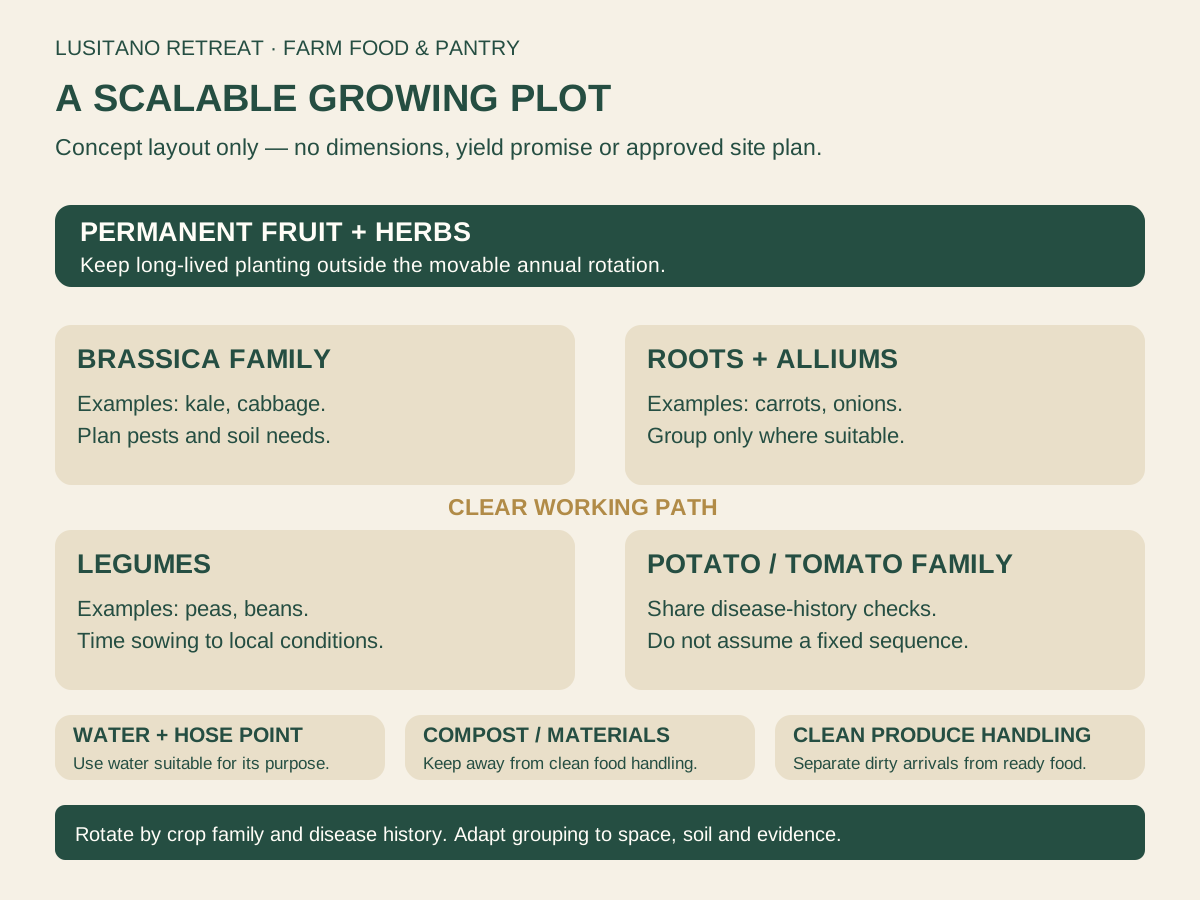
Put frequently picked herbs and leaves near a safe kitchen approach. Separate annual rotating beds, permanent fruit, compost handling, seedling propagation and clean harvest containers. Keep dirty soil-side handling out of the ready-to-eat preparation area.
The plot infographic is an unscaled relationship diagram, not a construction or drainage plan. Paths must work for the actual users and equipment. Raised beds are optional; they do not automatically solve contaminated soil, drainage or irrigation. Use clean materials suitable for the intended growing environment, not unknown treated salvage.
07 / The research
Rotate by plant family and keep a bed history
Use a bed record rather than relying on memory. Change crop groups between beds to help manage pests and diseases. Potatoes and tomatoes belong to the same nightshade family; moving tomatoes into last year’s potato bed is not a family change. Brassicas include kale, cabbage, broccoli and radish. [F2]
A four-group sketch can organise nightshades, brassicas, legumes and a planned roots/alliums group, but it is only a starting framework. Roots and alliums are different families, permanent crops sit outside the annual rotation, and known diseases may require longer exclusions or a different approach. [F2]
| Record | Why it matters |
|---|---|
| Bed ID and year | Links sowing, harvest and soil notes |
| Crop and botanical family | Identifies related crops across seasons |
| Pest / disease observations | Changes the following-year plan |
| Compost, fertiliser and test results | Avoids blind repeated additions |
| Next proposed crop | Checked against family history before sowing |
08 / The research
A flexible calendar for England
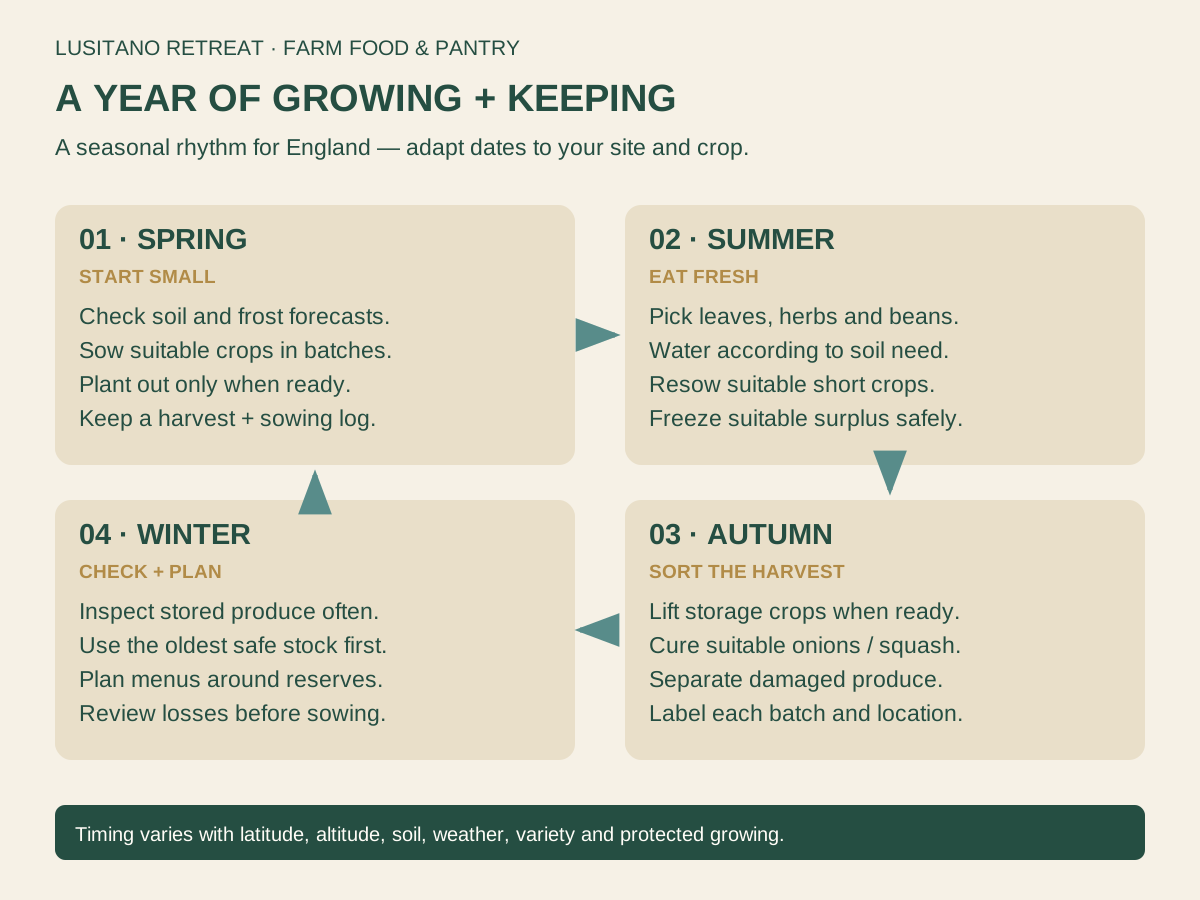
The windows below are indicative planning periods, not sowing instructions for every variety or location. Northern, exposed and wet sites may be later than sheltered southern sites. Work from the variety instructions, local frost risk and actual soil conditions; do not sow into unsuitable ground to meet a filming date. [F1][F3]
| Period | Planning and growing focus | Food / storage focus |
|---|---|---|
| January–February | Review records, order selected seed, inspect tools, plan propagation | Inspect stores; build menus around remaining sound stock |
| March–April | Begin appropriate hardy crops and propagation when conditions suit | Plan small early harvests and cleaning workflow |
| May–June | Plant tender crops only after suitable conditions; continue chosen succession sowings | Match fresh demand; check freezer and drying capacity before gluts |
| July–August | Regular picking, irrigation checks, appropriate winter-crop establishment | Schedule supervised processing sessions; record harvest and actual losses |
| September–October | Harvest suitable storage crops; assess autumn planting by variety/site | Cure applicable crops; sort, label and allocate storage |
| November–December | Protect suitable winter crops; maintain drainage and access | Inspect stock, rotate reserves and plan next season from evidence |
09 / The research
Sow for a sequence of meals
Use small batches for crops that otherwise mature together. Decide the next sowing from the current crop, expected demand and conditions, rather than repeatedly filling every empty tray. Continuous-fruiting crops and many storage crops need a different strategy from fast salad succession. [F3]
Keep a sowing board with crop, variety, bed, sowing date, expected window, actual first harvest and replacement plan. Reserve enough propagation space and time for the next batch. Stop sowing when the likely harvest would fall outside the useful season or staffed kitchen period.
10 / The research
Soil, compost and water are operating costs
Protect soil structure, keep suitable ground covered and base amendments on evidence. Establish a safe compost system with clear inputs and handling; do not place fresh manure where it can contaminate ready-to-eat harvests. A garden should not become the disposal route for unknown waste.
Measure irrigation use and inspect leaks. Mulching and suitable watering methods may reduce avoidable losses, but rainfall does not remove the need to plan a dry-period supply. Rainwater harvesting, private water and abstraction questions need their own site checks. Keep the food-preparation water supply distinct from any non-potable irrigation arrangement.
11 / The research
Allocate each harvest before it becomes a glut
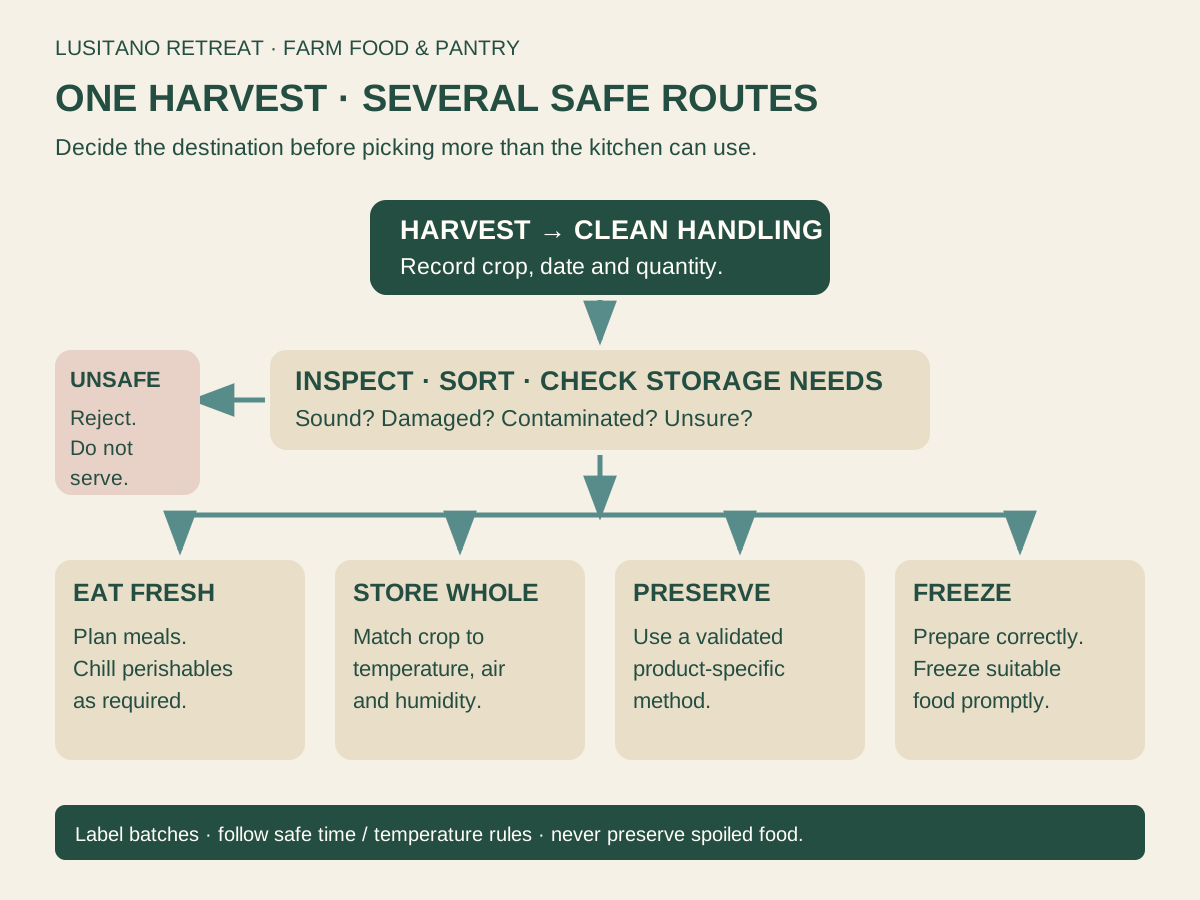
Weigh and identify a batch, inspect it, then allocate sound food to booked meals, a verified preservation route or an agreed recipient. Reject unsafe produce; preservation does not make spoiled food safe. Put soil-covered produce through a separate dirty-to-clean workflow.
Use quantities measured on the day, not fixed percentages. Available sound harvest = total harvested minus rejected material. Surplus = sound harvest minus food already committed to meals and other planned uses. Preservation capacity is the lower of safe handling time, equipment throughput, packaging and suitable storage space.
| Batch decision | Record / action |
|---|---|
| Fresh meal | Crop, quantity, kitchen handover and planned service |
| Suitable preservation | Method reference, operator, processing slot and storage location |
| Share / donate sound surplus | Recipient agreement and safe handling; not an uncontrolled drop-off |
| Quality loss / unsafe waste | Measured amount and reason; keep out of the food supply |
| Remaining unallocated | Responsible person decides today; do not leave a mystery crate |
12 / The research
Menus that can absorb the harvest
These are menu ideas, not preservation recipes or nutrition promises. Use them to agree demand with the cook before planting. Bought staples and proteins remain part of a realistic first-season menu; growing vegetables does not establish a complete diet.
| Seasonal crop mix | Shared meal idea | Surplus route to plan |
|---|---|---|
| Leaves, radish, herbs | Salad alongside a complete main meal | Smaller next sowing rather than jars of unwanted salad |
| Potatoes, beans, parsley | Cooked potato-and-bean meal with suitable additional protein | Sound potato store and correctly prepared frozen beans |
| Courgette, tomato, herbs | Vegetable pasta sauce or roast-vegetable meal | Validated chilled/frozen batch process; not ambient jars |
| Roots, leeks, kale | Winter tray bake or soup with bought staples | Whole-crop stores and appropriate frozen ingredients |
| Berries / apples | Fruit with breakfast or a prepared dessert | Suitable freezing, drying or a tested preserve |
| Squash and onions | Roast squash meal with pulses or other protein | Separate suitable whole-crop storage before cooking |
13 / The research
Use separate storage zones
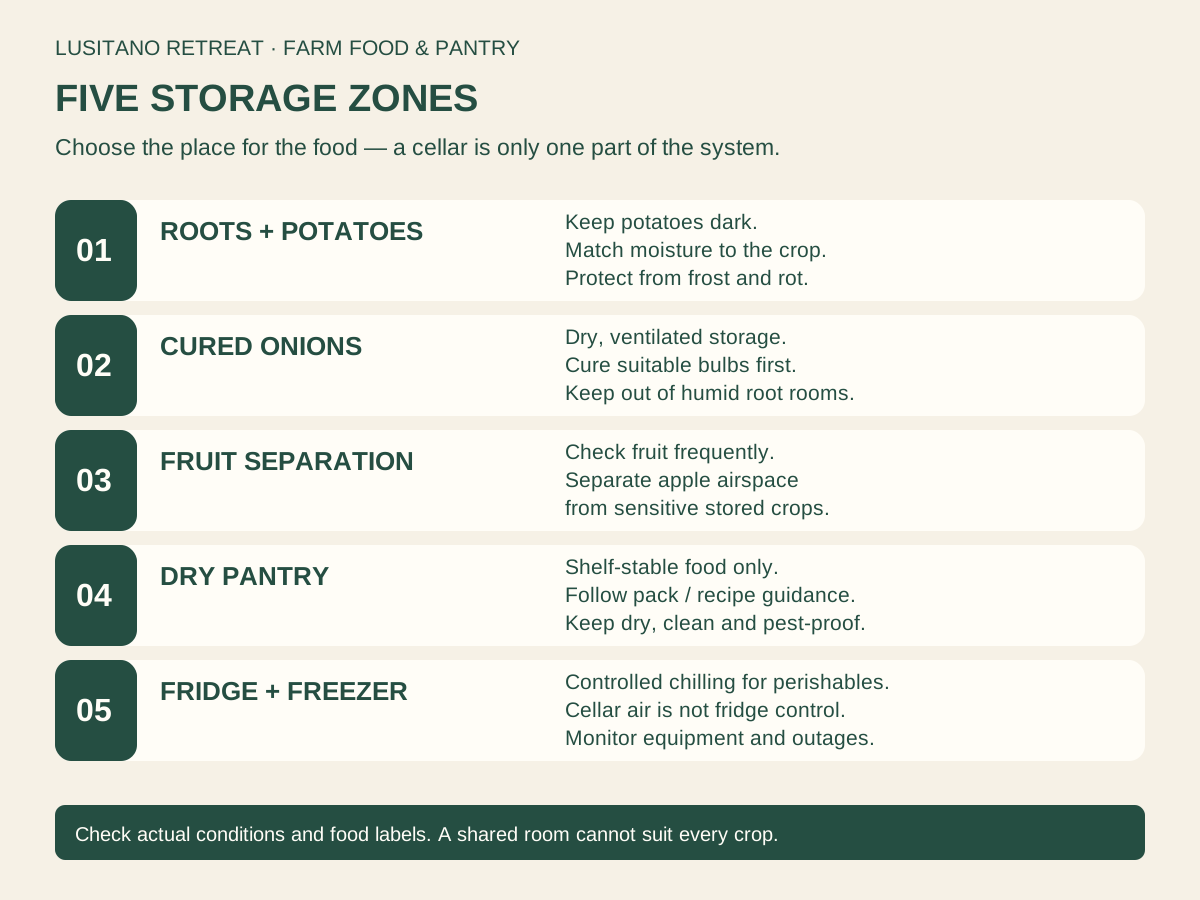
A cellar is one possible crop store, not a universal pantry and not a refrigerator for food requiring controlled chilling. Select storage from the crop and monitor actual conditions. Potatoes need darkness; cured onions need dry ventilation; ripe fruit must be checked and kept from accelerating other fruit’s ripening. [F4][F5][F7]
Keep chemicals, fuel, dirty tools and pest access away from food. Label every shelf and container. Arrange inspection access rather than hiding the oldest batch behind new stock. Read our passive-root-cellar guide before considering excavation.
| Zone | Suitable planning examples | Keep out / check |
|---|---|---|
| Dark, cool, frost-free crop store | Sound dry potatoes in ventilated appropriate containers | Light exposure, frost and damaged stock [F4] |
| Crop-specific root storage | Selected sound carrots and beetroot | Excess drying or rot; follow crop instructions [F8] |
| Dry ventilated area | Properly cured onions / shallots; suitable garlic | Humid root-store conditions [F5] |
| Separate dry frost-free space | Mature properly cured squash | Unripe or damaged fruit; inspect regularly [F6] |
| Separate fruit trays | Storage-suitable apples / pears | Damaged fruit and uncontrolled ripening [F7] |
| Dry food cupboard | Labelled commercial shelf-stable food; suitable verified dried products | Damp, pests and unverified homemade ambient preserves |
| Controlled refrigerator / freezer | Foods and prepared batches requiring chilling or freezing | Do not substitute cellar temperature [F10] |
14 / The research
Store whole crops before adding complex processing
Potatoes: sort, dry and gently remove loose soil; use sound tubers only in a dark, cool, frost-free ventilated store. Inspect regularly and isolate deterioration. Do not wash a large storage batch and leave it wet. [F4]
Onions: finish the crop correctly, dry it with airflow and move only sound cured bulbs into a dry ventilated store. Keep soft or damaged bulbs out of the long-term batch. [F5]
Squash: choose storage varieties, let fruit mature, avoid damage and follow crop-specific curing and storage guidance. Fruit that has not matured or has been damaged is not equivalent to a sound storage specimen. [F6]
Apples and pears: select suitable varieties and sound fruit, arrange for inspection and remove deteriorating fruit promptly. One advertised storage duration cannot apply to every variety or store. [F7]
15 / The research
Freezing surplus: a repeatable workflow
Example candidates include peas, beans, selected prepared roots and suitable berries. Select the exact crop method before harvest. The University of Georgia guidance explains crop-specific preparation and blanching; its timings vary by vegetable and size. Freezing does not sterilise food. [F16]
For an English guest kitchen, combine an appropriate product method with the food business’s documented handling controls, freezer capacity and staff training. A home-preservation reference alone is not validation of commercial production. [F11][F12]
- 1. Choose sound produce, a named method and a batch small enough to process promptly. Record crop, harvest and method version.
- 2. Wash with suitable potable water and prepare to the exact crop instructions. Keep dirty soil handling away from clean food.
- 3. Where the method requires blanching, use its specified preparation, water/steam process and crop-specific time; cool promptly as directed and drain. Do not use one time for all vegetables. [F16]
- 4. Pack in suitable freezer containers or bags in quantities the kitchen can use. Follow the method for headspace; mark contents, batch and preparation/freezing date. [F16]
- 5. Freeze without exceeding the appliance’s rated fresh-food loading capacity; plan space before harvesting. Do not put a glut into an already overloaded freezer. [F17]
- 6. Record the storage location and temperature checks. Follow manufacturer instructions and food-specific controls. Defrost safely, usually in the refrigerator; FSA guidance says use within 24 hours once fully defrosted. [F10]
- 7. Keep an outage procedure and a stock list. Assess food from actual time/temperature evidence and the relevant guidance; smell alone cannot establish safety.
16 / The research
Drying: compact storage with a product-specific method
Use drying first as a small, supervised method trial for suitable culinary herbs or fruit. It uses equipment, energy, packaging and labour; it is not automatically free. Use a product-specific tested drying method; the University of Georgia guidance explains cooling, fruit conditioning, dryness and storage checks. [F18]
A first herb trial: use positively identified culinary thyme or rosemary, collect after surface dew has dried, rinse and remove damaged material, then follow the NCHFP herb method and the dehydrator instructions in a small single-layer batch. Leaves should crumble and stems break when the specified drying endpoint is reached. Cool and pack in airtight containers in a cool, dry, dark place; check the batch before use. This herb route is not a method for drying meat or every fruit. [F22]
- 1. Identify an appropriate tested method for the exact product and equipment. Sort sound material, wash where the method directs and prepare consistent pieces.
- 2. Apply required pretreatment or blanching, then load a suitable dehydrator according to its instructions. Do not guess that outdoor English weather will reliably dry a crop.
- 3. Follow the product method’s drying conditions and endpoint; time alone is not proof. Cool before packing, and perform fruit conditioning where specified. [F18]
- 4. Pack in clean moisture-resistant containers, label product, batch, method and date, and store as directed. Check for moisture migration and deterioration.
- 5. Do not serve mouldy or suspect dried food. For commercial production, establish suitable verification and shelf-life controls rather than inventing an expiry date.
17 / The research
Pickles, jam and fermentation: choose the recipe before the crop
Useful candidates include suitable fruit jam and a tested beetroot or cucumber pickle. Start with one named tested product, the specified ingredients, correct containers and the complete processing and storage method. Do not turn an ordinary cooked sauce into an ambient preserve by closing the lid. The linked NCHFP jam guidance explains why the complete tested process matters. [F21]
NCHFP supplies American home-preservation research and tested methods. Equipment specifications, jar sizes, vinegar acidity, processing conditions and altitude assumptions matter; an English food business must assess applicability with its food-safety arrangements and local authority. Do not improvise equivalent equipment or change an acidified recipe’s food/vinegar/water proportions. [F19]
Low-acid vegetables, meat and fish must not be made shelf-stable using improvised boiling-water methods. Garlic-in-oil, vacuum packing and fermentation also require specific validated controls; this page does not provide a safe universal recipe. Cooking or an apparently sealed jar does not rule out botulism risk. [F20]
- Practical sequence: select tested product → confirm ingredients and equipment → check safe kitchen capacity → follow the entire method unchanged → record batch and processing → assign its specified storage and use conditions.
- Refrigerator pickles stay refrigerated under an appropriate recipe and shelf-life plan; they are not automatically shelf-stable.
- Do not treat every jar as emergency food. Prefer commercially produced shelf-stable supplies until the retreat has a verified process.
19 / The research
Build a rotating emergency reserve
Keep a separate reserve that works without the garden or powered cooking. UK Prepare recommends non-perishable food that does not need cooking, a tin opener and bottled water. Include suitable ready-to-eat foods people actually use, with dietary needs and any required preparation checked. [F15]
Determine quantities from the number of people, chosen disruption scenario, duration, water needs and storage conditions. There is no confirmed retreat headcount or universal reserve quantity here. Rice and dried beans are useful normal pantry staples, but require safe water and cooking and cannot be the only no-cook reserve.
Rotate reserve stock into ordinary meals before replacement is due. Record quantities, batch/label dates, storage instructions and the next review. Separate use-by food-safety limits from best-before quality dates; never assume an opened pack remains shelf-stable. [F10][F15]
20 / The research
Measure cost, workload and actual results
Keep money and food in separate ledgers. A full growing cost includes seed, compost, water, tools, supports, pest protection, staff time and failed crops. Preservation adds safe preparation space, equipment, energy, jars/bags, cleaning, checks and storage. A reusable jar still needs a suitable closure and verified process.
Weigh harvested, rejected, served, preserved and shared quantities by batch. Measure storage losses rather than assuming a standard percentage. Do not calculate savings by multiplying gross harvest by premium shop prices; compare the usable product, actual replacement price and full costs.
| Record | Minimum fields |
|---|---|
| Growing plan | Bed, crop/variety/family, sow/plant dates, responsible person |
| Harvest allocation | Batch, date, gross/rejected/sound weights, destination |
| Preservation batch | Product, method/version, operator, checks, packs, storage |
| Store / reserve inventory | Location, stock quantity, dates, inspection and action |
| Cost and labour | Purchase, energy/water evidence, task hours, repairs |
| Season review | Usable harvest, meals supplied, losses, costs, next changes |
21 / The research
First-season rollout with clear gates
First confirm site suitability, staff and water; then choose a manageable menu-led crop subset. Establish records and a suitable harvest-to-kitchen workflow before expanding. Prepare storage and preservation capacity before the relevant harvest, not after a glut appears.
- Gate 1 — permission, ground, water and safe access checked; no planting into unresolved suspect ground.
- Gate 2 — named grower and kitchen lead; realistic holiday/weekend cover and agreed crop selection.
- Gate 3 — small beds planted and logged; soil, water, pest and labour observations recorded.
- Gate 4 — first harvest weighed and served safely; demand and handling bottlenecks reviewed.
- Gate 5 — one whole-crop storage trial and one supervised suitable preservation method; inspect results.
- Gate 6 — scale only what the season’s usable harvest, costs, losses and staffing justify.
22 / The research
Fit the work into the 21-chapter show
Use the show to explain decisions and document a real season. A 21-day sprint can establish beds, storage records and a small process trial; it cannot compress crop maturity or prove a year of self-sufficiency. Choose filming windows around actual conditions.
Possible episode beats: read the soil and menu; build a manageable plot; follow a crop from seed to plate; sort the harvest; compare whole-crop storage with freezing; inspect reserve stock; disclose what failed and what the next season will change. Show measured results and dated records rather than staged abundance.
| On-screen moment | Useful evidence |
|---|---|
| Before planting | Site checks, bed map and unresolved questions |
| Growing | Sowing labels, care rota and actual weather |
| Harvest day | Weights, rejected crop and meal allocation |
| Preservation day | Named method, batch label and verified controls |
| Pantry inspection | Actual conditions, stock rotation and deterioration |
| Season finale | Usable output, costs, work hours and next-year decisions |