← The making libraryNew category · England · Proposed programme
From the garden.
For today and later.
Grow food to share, make useful surplus and keep a pantry that works through the seasons.
The first complete guide in this category explores a passive root cellar. The wider growing and preservation programme below is a development brief: no farm, harvest capacity, commercial kitchen or food service is claimed to be operating.
Read the full root-cellar guide → One food loop, six connected jobs.
01
Grow for the shared table
Begin with a small measured growing area and the meals we actually cook. Trial herbs, salad leaves, radishes and beans for fresh use; assess potatoes, carrots, beetroot, onions and squash for seasonal storage. Add fruit only after checking space, pollination and establishment time. These are crop candidates, not promised harvests.
First useful action. Record sunlight, soil condition, water quality, access, local climate and the person responsible for daily care. Choose varieties and sowing dates for the actual site.
02
Plan meals before planting more
Count the people we expect to feed, the portions needed and the kitchen capacity. Put a weekly harvest board beside a menu and record bought-in ingredients separately. Guests must be able to understand ingredients and allergens; a shared meal still needs a food-safety system.
First useful action. Start with one supervised seasonal meal. Measure harvest weight, portions served, safe leftovers and avoidable waste before increasing the plot.
03
Give surplus a planned destination
Triage sound produce promptly: eat fresh, store whole where suitable, or use a separately assessed preservation process. Damaged produce has a different shelf life from sound storage-grade produce. A jar is not shelf-stable just because its lid seals.
First useful action. Choose an appropriate tested recipe and method for the exact product. Low-acid canning, fermentation and drying need their own validated controls; this page is not a recipe or process approval.
04
Build the right storage zones
A passive root cellar is one part of the pantry. Roots, dry bulbs, fruit, packaged staples and chilled foods have different needs. Separate dry pest-proof storage from humid produce storage and retain suitable refrigeration for food requiring controlled chilling.
First useful action. Read the complete cellar guide. Compare an existing cool room with earth-banked and underground options before committing to excavation.
05
Keep a usable emergency reserve
Create a rotating stock of foods people already eat, including ready-to-eat options for a power or water interruption. Account for allergies, dietary needs, babies, animals and a manual tin opener. A reserve is useful only if it remains accessible and safe.
First useful action. Plan for the actual occupancy and disruption scenario. Include potable water and access outside the cellar if that store floods or becomes inaccessible. Store every product under its label conditions.
06
Measure what survives the season
Compare harvest, purchased inputs, stored quantity, spoilage, meals and labour. Saving electricity can be worthwhile, but a cellar also costs money to design, build and maintain. Any pumping, ventilation or lighting adds an energy requirement.
First useful action. Review actual data after the first storage period. Expand only the crops and processes we can safely manage.
Guide 01 · Available now
A cool store, designed around the ground.
Underground, partly sunk or earth-banked? Compare the options, check groundwater and drainage, understand the structure and separate the crops. Three original diagrams accompany the detailed research.
A cellar can reduce powered storage for suitable produce. Construction is not free, and earth cooling does not guarantee refrigerator temperatures.
Explore the design and due diligence →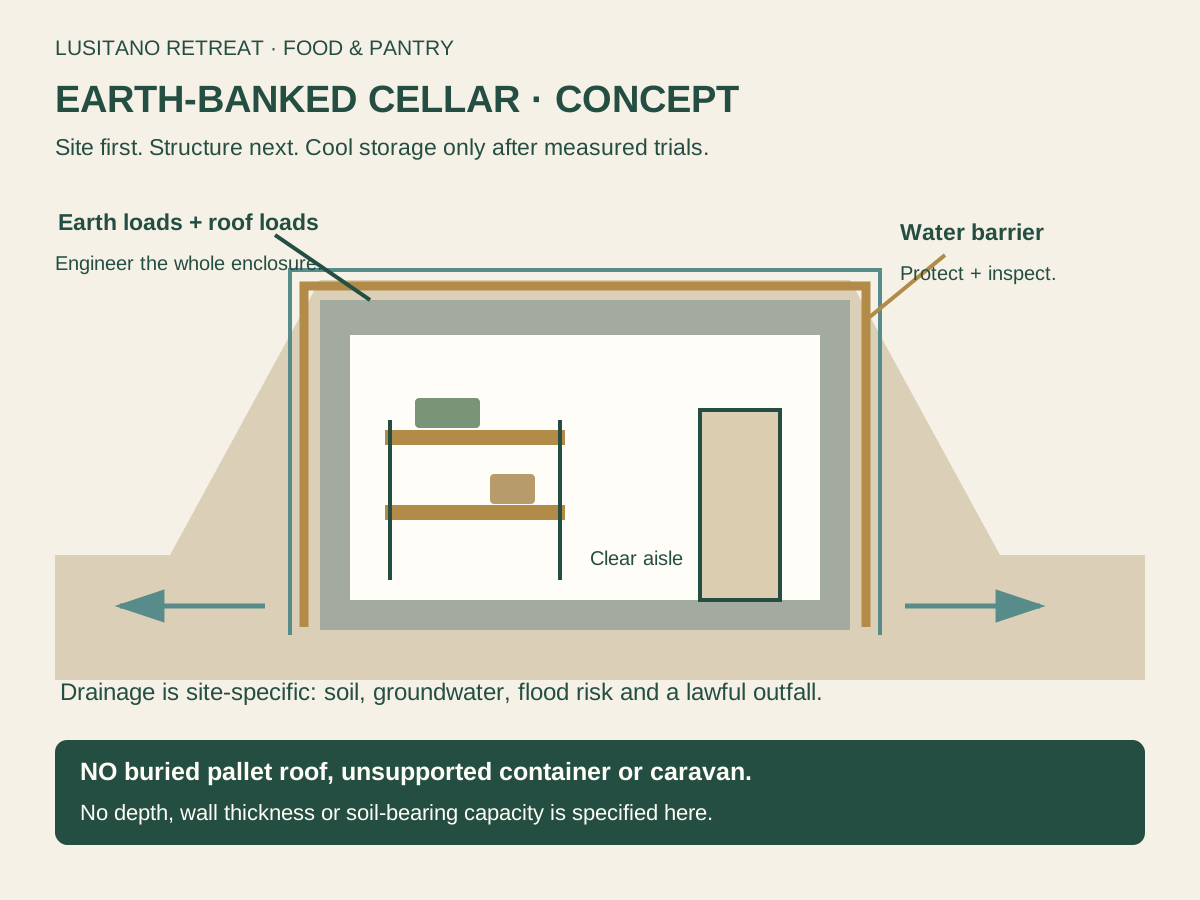
Our first season: a measured pilot.
- Confirm the land, owner consent, intended use, growing area and usable water.
- Choose a modest crop list around a real menu and a named grower.
- Set up harvest, ingredient/allergen and storage records before serving food.
- Trial a small batch in a suitable existing store with temperature and humidity monitoring.
- Use the evidence to decide whether a purpose-built cellar is justified.
- Develop one preservation method at a time, with product-specific food-safety controls.
RHS describes container-growing options for a small trial; crop and container choice still depend on watering, space and care. RHS growing guidance ↗
Food service needs its own preparation.
Before serving guests, establish with the local authority which registration and food-safety requirements apply. Organise hygienic preparation, safe water, cleaning, pest control, allergen communication and temperature control around the actual operation. Selling, gifting or sharing food is not a reason to assume a commercial retreat is exempt.
FSA: getting ready to start a food business ↗ · Official chilling guidance ↗
A reserve that gets used and replaced.
Keep unopened, labelled stock in appropriate conditions and rotate by the earliest relevant date. Include foods that need neither cooking nor refrigeration before opening, alongside a potable-water plan. Follow instructions after opening. Avoid putting the entire reserve in a below-ground room that could flood.
The UK Prepare campaign recommends planning supplies around individual circumstances and possible interruptions. Our retreat plan must additionally account for its actual guests, staff and access. UK Prepare: emergency supplies ↗
The Lusitano Diaries
A harvest becomes a story.
Use the 21 proposed chapters to follow a real question: what can we grow, what survives storage and what did we learn? Film the survey, crop choice, harvest weighing, storage trial and honest spoilage review. Seasonal growing and construction will take their actual time; this is not a promise of a working farm in 21 days.
Explore the documentary concept → Source pages checked 16 October 2026. Future detailed guides: seasonal crop planning, safe surplus processing and reserve sizing after occupancy is known. These are planned additions, not links to completed guides.
